
Storytelling Is Fundraising: How honest narratives build trust, deepen relationships, and sustain nonprofit work
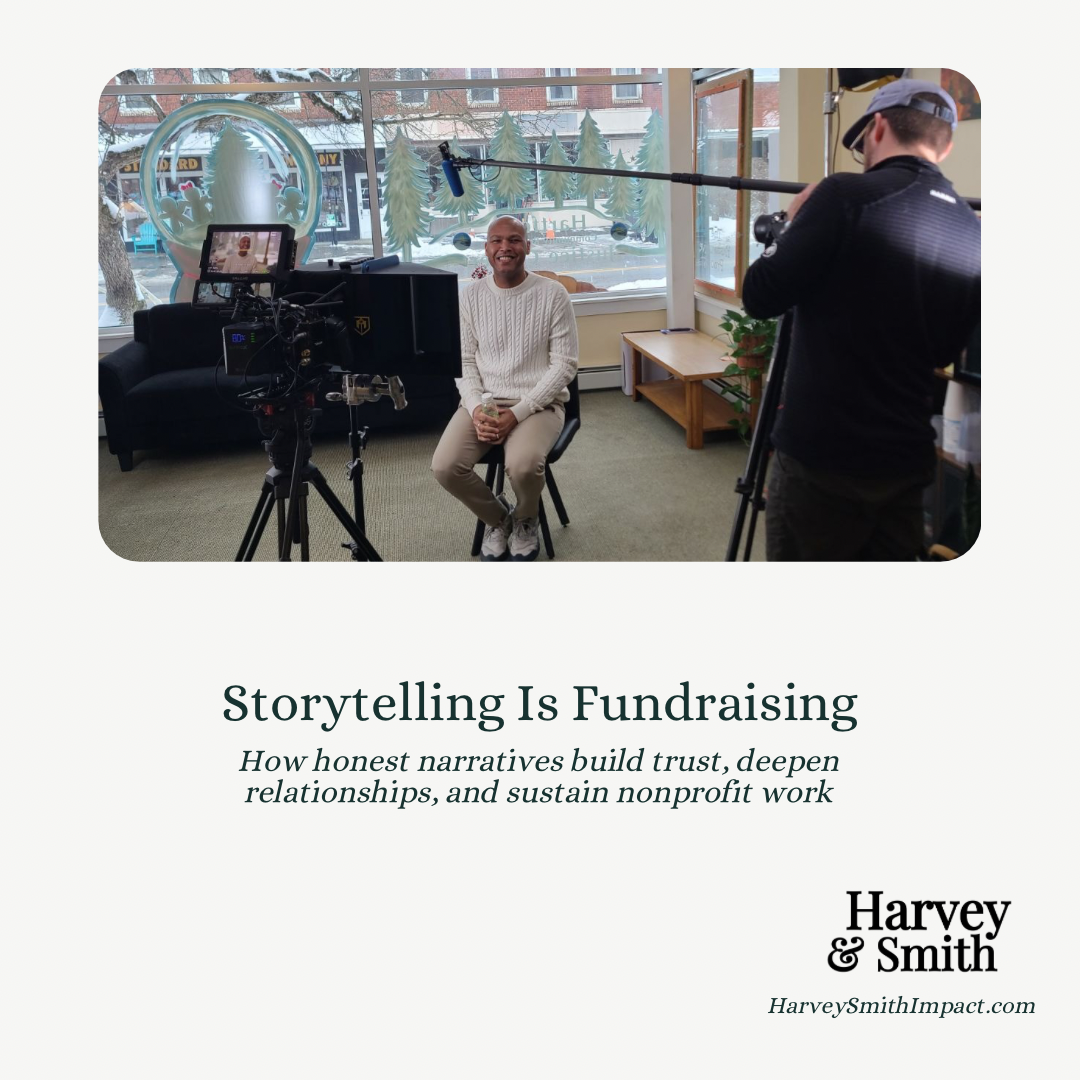
Storytelling in nonprofit work is shaped by proximity. When leaders are close to the day-to-day realities of programs, staff capacity, community relationships, and funding constraints, the way they think about communications changes.
Every nonprofit has stories. Successes, setbacks, unfinished efforts, and moments of real connection. These stories exist whether or not they are shared. What varies is whether organizations choose to invest the time and care required to share them well.
Storytelling is often treated as something that happens after the work is complete or once outcomes are secured. In practice, it functions more like infrastructure. For most supporters, storytelling is the primary way they understand what an organization is doing, why it matters, and how it is evolving.
Fundraising is deeply tied to this process. It rarely begins with a perfect solution or a fully resolved plan. It begins with trust. Donors give when they understand the work, believe in the leadership, and see how their support helps sustain progress over time.
Clear, honest storytelling makes that possible. When organizations share what is working, what remains challenging, and what resources are needed, they offer supporters a meaningful way to engage. Fundraising becomes less transactional and more relational.
How stories are told matters as much as what is shared. Some organizations rely on staff members who know the work intimately and can document it consistently. Others partner with local filmmakers, photographers, writers, or designers who bring both technical skill and respect for the communities involved. In many cases, the strongest storytelling comes from collaboration between internal leadership and trusted external partners.
What matters is that storytelling is treated as real work. It requires time, budget, and thoughtful decision-making. When communications are rushed, under-resourced, or disconnected from operations, both storytelling and fundraising suffer.
There is also value in naming challenges openly. Many leaders worry that acknowledging uncertainty or incomplete work will weaken credibility. Often, the opposite is true. Transparency signals seriousness, self-awareness, and respect for supporters. It allows funders and donors to understand the work as it actually exists, not as a finished product.
Inviting people to engage before everything is resolved creates shared ownership. When supporters are welcomed into the work while it is still unfolding, they are more likely to stay connected through periods of growth and change.
Storytelling is not about polishing reality. It is about making the work legible. When nonprofits commit to honest storytelling as a core part of fundraising, they build deeper relationships, clearer alignment, and more durable support.