
Harvey & Smith Impact
Good work.
Real momentum.
We help nonprofits build lasting support and companies give back with purpose. Through fundraising leadership and corporate giving strategy, we bring the right people, partnerships, and plans together, then help carry the work forward.
Now booking | Year-end support
Year-end fundraising.
A year of giving, brought into focus.
For nonprofits, extra capacity to carry your year-end fundraising forward. For businesses, help connecting your community giving with customers and building on existing partnerships.
For nonprofits
Make your year-end appeal personal.
We work alongside your team to engage existing supporters, prepare and carry forward gift conversations, and follow up with care through Giving Tuesday and year-end.
Explore fundraising support ↗For businesses
You invest in your community.
Let that commitment speak clearly.
We bring your year of giving together, help you share it with customers and identify opportunities to deepen the partnerships that matter to your business.
Explore business giving support ↗November 1 to December 15, 2026 · Defined seasonal engagements · Continuation available by agreement
Who we work with
Different priorities.
The same care for the work.
Whether you lead a mission or a business, the next step deserves experienced judgment and a team that follows through.
For nonprofits.
Strengthen the funding and relationships that sustain your mission. We help leadership teams build a practical development program and move important opportunities forward.
- Major gifts and donor cultivation
- Planned giving and legacy development
- Institutional funding and donor communications
- Development systems and embedded leadership
For businesses.
You already support your community. We help you give with a clearer purpose, build worthwhile partnerships, and understand the value your contributions create for your community and your company.
- Corporate giving strategy and priorities
- Nonprofit partnerships and sponsorships
- Employee and customer participation
- Credible communications and shared-value measurement
Major gifts & planned giving
Give people a closer
connection to the mission.
Meaningful support grows from a clear understanding of the work and a personal reason to care. We design donor experiences and conversations that connect those two things.
Make the mission tangible.
Small-group mission and facility experiences with purposeful program stops, prepared staff, and executive and board participation.
Connect interest to an opportunity.
Tailored funding conversations and thoughtful solicitation preparation, grounded in the donor’s interests and readiness.
Keep the relationship moving.
Individual follow-up, stewardship, and legacy program development that support a lasting relationship.
Founder Led Consulting
Experience inside
the work itself.
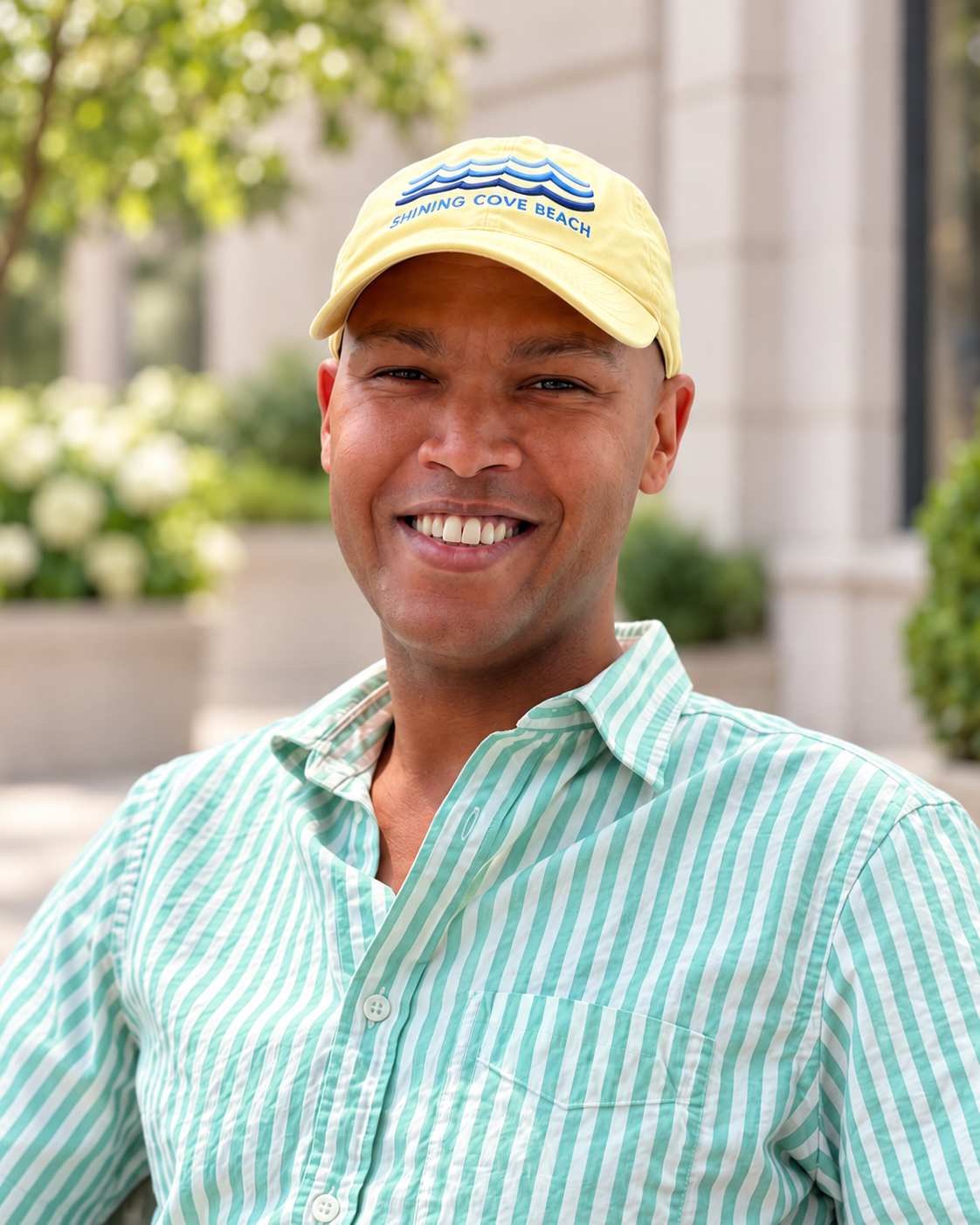
Larry Blake Harvey
Larry Blake Harvey is a strategic communications and organizational consultant who helps leaders turn their priorities into a clear public presence, stronger relationships, and meaningful support. His work connects how an organization presents itself with how it reaches people and advances its goals.
He brings more than a decade of communications consulting, corporate social responsibility, and executive leadership to that work. Founder Led Consulting gives your team direct access to his judgment and hands-on support, from defining the approach to putting it into practice.
01 / Position & communicate
Make your value clear.
Define what you want to be known for and give people a compelling reason to engage. Draw on extensive PR, marketing, and communications strategy to connect your message with the right audience.
02 / Engage & connect
Make the relationship matter.
Bring your story into campaigns, events, and partnerships. Deep event and corporate social responsibility experience helps connect an organization’s public presence with meaningful participation.
03 / Lead & deliver
Carry the strategy forward.
Translate priorities into practical work with clear responsibilities and follow-through. Executive leadership, business ownership, and fundraising experience bring an understanding of what it takes to deliver.
Examples of the work
What the work looks like.
A closer look at fundraising relationships and the systems that help a team follow through.
01 / Fundraising
Raising $250,000 in unrestricted support
A twelve-month fundraising effort combining individual donors, major gifts, institutional support, and events. The brief explores how relationships and clear communications helped broaden the funding base.
02 / Implementation
Moving case management from spreadsheets to Salesforce
A look at the work beyond selecting software: migrating data, preparing staff, and helping a nonprofit team begin using a shared system.
How we work together
The right amount of support.
A clear way forward.
Start with a focused assignment or reserve the capacity for sustained work. Scope, responsibilities, and fees are established before we begin.
A Working Day
Eight working hours with your team, advance preparation, a practical tool, and a 30-day action plan. One priority, with room to make real progress.
$2,200
Firm package. Travel separate.
See the day programA defined project
A scoped deliverable your team can put to use, from a donor cultivation plan or case for support to communications for a community partnership.
From $2,250
Fixed fees for the scopes listed in our menu.
Explore the project menuAn ongoing engagement
Reserved capacity for advice and implementation, with an accountable delivery lead, regular check-ins, and an agreed work plan.
From $3,200
Per month for 16 firm hours. Larger plans available.
Compare monthly plansUnderstand the priority.
Begin with the goal, the context, and the capacity already in place.
Agree on the work.
Define the scope, delivery lead, schedule, and investment.
Carry it forward.
Do the work, document progress, and equip your team for the next step.
Ideas behind the work
A little perspective
goes a long way.
Our thinking on relationships, fundraising, community, and the stories that help people understand their part in the work.
From the journal
The stories that help people see why the work matters.
Explore how honest program storytelling can support stronger donor relationships and more meaningful participation.
The Bookshelf
Keep good ideas within reach.
A curated collection exploring community, justice, leadership, and the power of story. A place to keep learning alongside the work.
Let’s begin
What needs to
move forward?
Tell us what you’re trying to build, strengthen, or change. We’ll explore the priority with you and agree on a useful next step.